Author: admin

  • Analisi dei criteri di valutazione delle piattaforme di casinò online senza registrazione più popolari

    Negli ultimi anni, il panorama delle piattaforme di casinò online senza registrazione è cresciuto in modo esponenziale, offrendo agli utenti accesso rapido e senza complicazioni a giochi d’azzardo di alta qualità. Tuttavia, con questa crescita enorme, è diventato fondamentale comprendere i criteri di valutazione che determinano quali piattaforme sono affidabili, sicure e piacevoli da usare. In questo articolo analizzeremo i principali principi che guidano la scelta di queste piattaforme, aiutando i giocatori a fare decisioni consapevoli e informate.

    Principi fondamentali per la selezione di piattaforme di casinò senza registrazione

    Qualità dell’interfaccia utente e facilità di navigazione

    La prima impressione di una piattaforma di casinò senza registrazione è determinata dalla qualità della sua interfaccia utente (UI) e dalla facilità di navigazione. Un design intuitivo permette ai giocatori di trovare facilmente i giochi desiderati, accedere alle promozioni e comprendere le varie sezioni del sito senza confusione. Ad esempio, piattaforme come “PlayAmo” e “Vavada” si distinguono per layout chiari e menu intuitivi che riducono il tempo di apprendimento e aumentano la soddisfazione del giocatore.

    Sicurezza e protezione dei dati personali

    La tutela dei dati personali e delle transazioni è critica quando si sceglie un casinò online. Le piattaforme più affidabili adottano tecnologie di crittografia SSL (Secure Sockets Layer) per garantire che tutte le comunicazioni siano protette. Inoltre, verificano le licenze rilasciate da autorità europee come Malta Gaming Authority o Curacao e rispettano le normative sulla privacy (GDPR). Un esempio emblematico è Betominio, che ottempera rigorosamente alle normative di sicurezza e privacy, offrendo un ambiente di gioco sicuro.

    Varietà di giochi e aggiornamenti disponibili

    Un criterio importante è la gamma di giochi offerti, che dovrebbe includere slot, giochi da tavolo, roulette, blackjack, baccarat, e giochi dal vivo. La disponibilità di aggiornamenti frequenti e l’introduzione di nuovi giochi è indice di piattaforma dinamica e rispettosa delle preferenze dei consumatori. Ad esempio, piattaforme come “StarCasino” si aggiornano regolarmente, garantendo contenuti freschi e coinvolgenti.

    Metodo di pagamento e velocità di transazione nelle piattaforme senza registrazione

    Opzioni di deposito e prelievo senza verifica approfondita

    La praticità nei metodi di pagamento è essenziale per l’esperienza utente. Le piattaforme più popolari consentono depositi e prelievi tramite metodi come carte di credito/debito, portafogli elettronici (Skrill, Neteller), e cryptocurrency, spesso senza richiedere verifiche approfondite. Questa facilitazione è fondamentale per chi desidera un accesso rapido e senza ostacoli, come si vede su piattaforme come “JoyCasino”.

    Tempi di elaborazione delle transazioni

    Le transazioni rapide sono un elemento distintivo di piattaforme di successo. In media, i depositi vengono accreditati istantaneamente, mentre i prelievi variano da pochi minuti a 24 ore, in base al metodo scelto. La trasparenza dei tempi di elaborazione aiuta i giocatori a programmare le proprie attività senza sorprese.

    Costi e commissioni associate alle operazioni

    Le migliori piattaforme minimizzano o eliminano le commissioni sulle transazioni, offrendo un’esperienza più soddisfacente. Ad esempio, alcuni servizi di portafoglio elettronico applicano commissioni molto basse o nulle, contribuendo ad aumentare la percezione di affidabilità e trasparenza. Se desideri scoprire quali sono le piattaforme più affidabili, puoi consultare i dettagli su Casinobossy.

    Valutazione dell’affidabilità e reputazione delle piattaforme di casinò online

    Recensioni degli utenti e feedback verificati

    Le opinioni degli utenti sono un indicatore forte dell’affidabilità di una piattaforma. Siti come Trustpilot offrono recensioni verificate, spesso evidenziando aspetti come rapidità dei pagamenti, assistenza clienti e qualità dei giochi. Un esempio positivo è CasinoMet, che riceve feedback costantemente positivi per il servizio clienti e la trasparenza.

    Certificazioni e licenze ufficiali

    Le piattaforme più affidabili possiedono licenze rilasciate da autorità riconosciute, come Malta, Gibilterra o Curacao. Questi documenti certificano il rispetto di elevati standard di sicurezza e correttezza, tutelando i giocatori da pratiche fraudolente.

    Storia di eventuali controversie e risoluzioni

    Valutare la storia di controversie passate e come sono state risolte è importante. Piattaforme che hanno gestito efficacemente problemi o che mostrano trasparenza nelle risoluzioni tendono ad essere più affidabili. La trasparenza nelle controversie evidenzia un impegno serio verso la tutela del cliente.

    Impatto delle promozioni e bonus sui criteri di scelta

    Tipologie di bonus offerti senza registrazione

    Le piattaforme senza registrazione spesso offrono bonus di benvenuto, come giri gratuiti o cashback, subito accessibili senza processo di verifica. Questo incentivo favorisce la prova immediata delle piattaforme, stimolando la fiducia e l’interesse dei giocatori.

    Condizioni di utilizzo e trasparenza delle offerte

    La chiarezza nelle condizioni di bonus è essenziale per evitare fraintendimenti. Piattaforme di qualità forniscono dettagli trasparenti su requisiti di scommessa, limiti di vincita e scadenze, riducendo il rischio di delusione o pratiche ingannevoli.

    Effetti sulla soddisfazione e fedeltà dei giocatori

    Offerte ben strutturate aumentano la soddisfazione del cliente e promuovono la fedeltà. I giocatori tendono a preferire piattaforme che offrono bonus equi e trasparenti, creando un rapporto di fiducia duraturo.

    Innovazioni tecnologiche e funzionalità avanzate nelle piattaforme senza registrazione

    Utilizzo di intelligenza artificiale e machine learning

    Le tecnologie di intelligenza artificiale vengono impiegate per offrire un’esperienza di gioco personalizzata, raccomandando giochi in base ai comportamenti del giocatore e migliorando la capacità di identificare pratiche di gioco problematico. Ad esempio, alcune piattaforme integrano sistemi di supporto automatico e analisi predittive per ottimizzare l’offerta di contenuti.

    Supporto a dispositivi mobili e compatibilità cross-platform

    La crescente domanda di gioco da smartphone e tablet ha portato le piattaforme a sviluppare interfacce responsive o app dedicate. Piattaforme come “888casino” garantiscono compatibilità su vari dispositivi, assicurando un’esperienza fluida e coinvolgente indipendentemente dal device utilizzato.

    Integrazione di giochi dal vivo e realtà virtuale

    Le innovazioni più recenti includono i giochi dal vivo con dealer reali e le esperienze di realtà virtuale (VR). Queste tecnologie permettono ai giocatori di vivere un’esperienza immersiva e realistica, come se fossero in un vero casinò, rendendo l’intrattenimento più coinvolgente e innovativo.

    In conclusione, la scelta delle migliori piattaforme di casinò online senza registrazione si basa su un insieme di criteri fondamentali: affidabilità, sicurezza, varietà di giochi, velocità e qualità delle transazioni, trasparenza delle offerte e innovazione tecnologica. Considerando questi aspetti, i giocatori possono godere di un’esperienza di gioco sicura, soddisfacente e moderna, in linea con le loro aspettative e necessità.
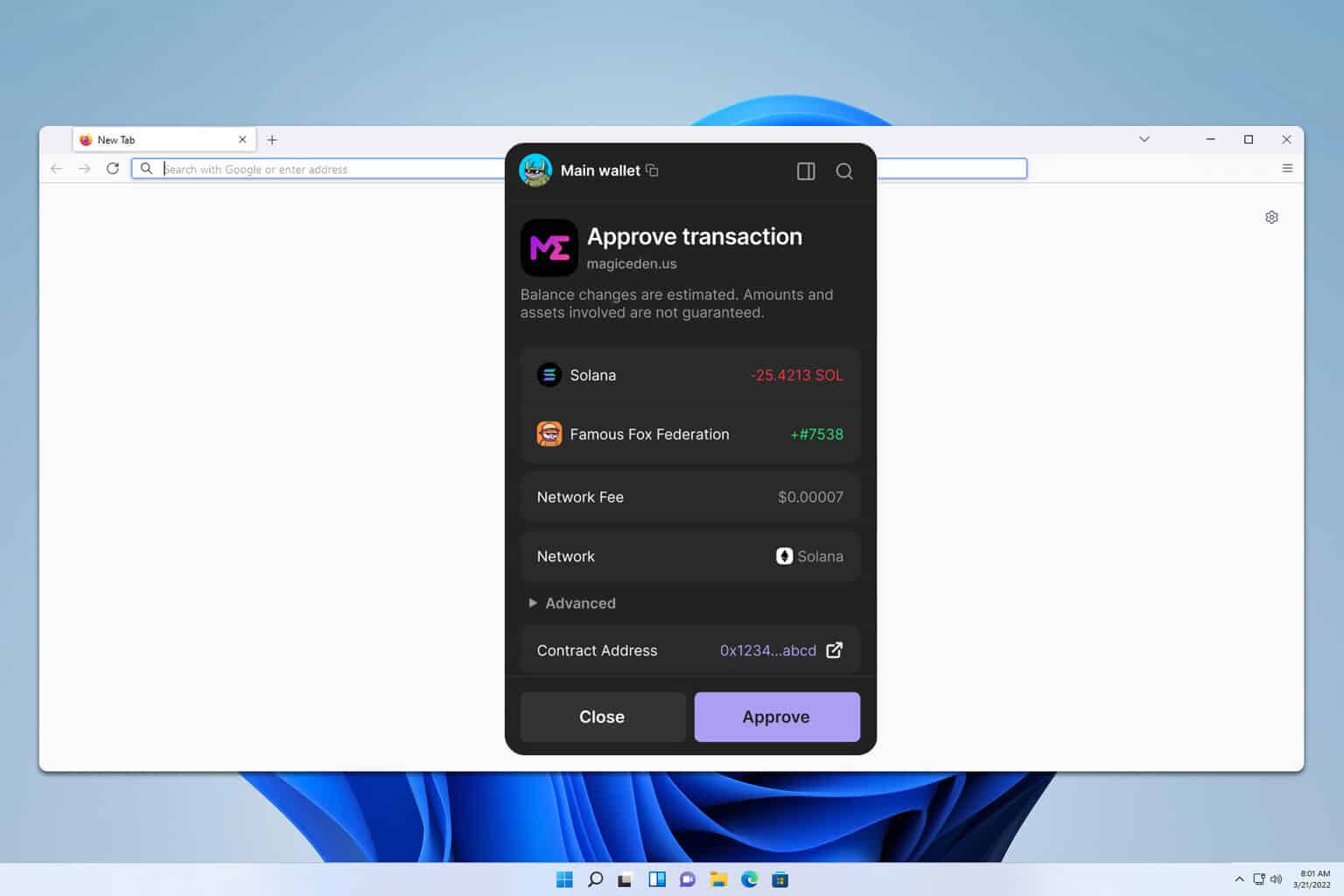

  • Why the Phantom Browser Extension Feels Like the Right Solana Wallet for Many Users

    Whoa! Right outta the gate this topic has a weird gravity to it.

    Phantom sits in a unique spot: it’s a browser extension wallet tailored to Solana that lots of people talk about. My first impression was that it was simple, maybe too simple. Hmm… that simplicity hides a lot of thought. Initially I thought ease-of-use would mean tradeoffs in control, but documentation and community threads suggest otherwise—there are sensible defaults and advanced options tucked away.

    Honestly, I’m cautious about saying anything is a one-size-fits-all answer. On one hand, Phantom streamlines the onboarding flow for new users, making it easy to create or import a wallet. On the other hand, experienced users sometimes want finer-grained controls. Actually, wait—let me rephrase that: Phantom aims to balance both, and whether it succeeds depends on what you need right now.

    Phantom wallet extension interface showing a Solana balance and options

    A quick, practical take on setup and daily use

    Seriously? Yes—setup is mostly quick. You add the extension, create a new wallet or restore from a seed phrase, and you’re up in minutes. There are prompts that guide you, and the UX nudges you to back up your seed phrase. That’s very very important. But here’s what bugs me a little: some of the security nudges are subtle, and less-savvy users might skip them.

    My instinct said to look for subtle risks. Something felt off about automated approvals in some dApp flows when I first checked the docs; thankfully Phantom has permission prompts. It’s not perfect, but it’s better than leaving everything open. For users in the US, that tradeoff often lands as “good enough and convenient.” Convenience matters a lot, especially when you want to move fast for a mint or a trade.

    The extension integrates directly into the browser, so dApps on Solana can request signatures from the wallet. That flow is familiar if you’ve used other extension wallets on other chains, but the speed is noticeably different—Solana confirmations are quick, and Phantom mirrors that feel. On the technical end, Phantom manages keys locally, and it exposes only the signing interface to sites, not private keys. This is standard but important to state.

    Here’s the thing. If you care about backup strategy, Phantom supports seed phrases and hardware wallet integration. That’s a crucial piece. Many users don’t realize hardware wallets are compatible until they try to move large sums. So plan ahead—don’t treat the extension as an immutable vault; think of it as a convenient front-end to keys you should protect.

    Why many folks pick Phantom (and where it might not fit)

    Fast transactions, a clean UI, and native Solana tooling are big draws. Plus the extension keeps evolving: token swaps, NFT galleries, and staking helpers have been added over time. These features are useful for folks who want to manage assets without hopping between apps. But one size doesn’t fit all.

    On one hand, Phantom is great for new Solana users. On the other hand, power users or institutional setups may need multi-sig or custom policy enforcement that the extension alone doesn’t provide. There are workarounds—using Phantom with a hardware wallet for signing, or combining it with on-chain governance tools—but those get more complex. If you’re building a treasury or running a DAO, this might be an early-stage tool rather than your final answer.

    Also, there’s the browser surface area risk. Extensions can be targeted, and although Phantom follows good security practices, the general ecosystem risk persists. So think in layers: use a hardware signer for big moves, keep small operational balances in the extension for daily tasks, and never reuse seed phrases across multiple services.

    On privacy, telemetry, and what people overlook

    Privacy expectations vary. Phantom connects to RPC nodes (public or third-party), and that can expose some metadata about your activity. If you’re privacy-sensitive, consider running or choosing trusted RPC endpoints. Some folks run local RPC endpoints; others pick privacy-focused service providers. Choosing the right RPC can reduce some fingerprinting risks.

    Users also forget about browser-level privacy: extensions, cookies, and open tabs matter. Closing tabs and isolating accounts helps—small things, but they add up. It feels like common sense, but many people skip it (I won’t pretend everyone remembers).

    One more note: the extension occasionally introduces new features quickly, which is mostly positive, though it can mean short-lived bugs or UI quirks. The Phantom team often pushes updates and iterates fast; that velocity is good, but with velocity comes the need to be a little vigilant.

    How to approach using Phantom safely and effectively

    Okay, so check this out—if you’re new: create a fresh wallet, write down the seed phrase on paper (not in a text file), and test small transfers first. For people who’ve been around a bit: enable hardware wallet signing for larger holdings, lock your browser profile, and keep extension updates current. These are practical steps that reduce risk significantly.

    Also, watch out for phishing. Always confirm domain names and never sign a transaction you don’t understand. If a site requests something unexpected, step back. Your gut will often tell you when somethin’ feels off—trust that, and pause.

    One neat bit: Phantom’s NFTs gallery and collection views are handy for collectors. They make it easy to see holdings without scattering across multiple tools. That usability lowers friction for regular management tasks, which is why lots of creators and collectors adopt it so quickly.

    FAQ

    Is Phantom safe to use for daily Solana transactions?

    Generally yes, for everyday use. It follows modern security norms and keeps keys locally. But safety is relative: for significant amounts, combine the extension with a hardware wallet and follow backup best practices.

    Can I use Phantom with hardware wallets?

    Yes. Phantom supports hardware wallet integrations so you can use your device to sign transactions while using the extension as a UI. This is a recommended pattern for higher-value accounts.

    Where do I download the extension?

    You can find the official browser extension by searching the usual browser extension stores or via trusted links—one natural place to start is the official phantom page here: phantom. Be careful to avoid lookalike pages and verify the domain before installing.

    I’ll be honest—no wallet is perfect. There are tradeoffs between convenience and control, and Phantom leans toward making Solana accessible while giving enough advanced capabilities for most users. If you want to play in the Solana ecosystem stateside or elsewhere, Phantom is a solid starting point, just pair it with good security hygiene and you’ll be in much better shape.

    Final thought: if you try it, start small, lock down backups, and consider hardware signing as your confidence grows. Somethin’ tells me most people will appreciate the flow—though of course your mileage may vary…

  • Why veBAL Tokenomics and Liquidity Bootstrapping Pools Matter for Building Better Liquidity

    Okay, so check this out—I’ve been noodling on veBAL for a while. Whoa! My initial reaction was skeptical. Hmm… ve-token models are everywhere these days, and some feel templated. But then something felt off about chalking it up as just another lock-and-vote scheme. My instinct said there’s nuance here, and actually, wait—let me rephrase that: veBAL isn’t perfect, though it solves some coordination problems in a way few other designs do.

    Short version: veBAL aligns long-term holders with protocol governance and fee flow, but it also reshapes liquidity incentives. Seriously? Yes. On one hand you get stronger governance signals, and on the other you risk illiquid markets if too many tokens get locked. Initially I thought locking was all upside, but then I realized time-weighted influence can concentrate power. That tradeoff underpins the rest of what I want to unpack.

    Here’s the thing. Liquidity pools are not just code. They’re incentive systems, which is why tokenomics matter so much. If you misprice incentives, arbitrageurs will punish you. If you misallocate governance power, community trust erodes slowly—almost imperceptibly—until poof, something breaks. I’m biased, but I prefer designs that nudge behavior rather than force it. That’s a subtle difference, and it shows up in how LBPs perform versus ordinary AMM launches.

    LBPs, or liquidity bootstrapping pools, are elegant for price discovery. They let supply-weighted prices start high and cascade down, handing early backers less tail risk while exposing speculators to price discovery dynamics. Wow! This makes initial allocation feel more like an auction and less like a raffle. But LBPs need careful parameter tuning, or they become playgrounds for bots.

    Concept diagram showing ve-token locking and a declining weight LBP visualization

    How veBAL changes the liquidity game

    veBAL centers around voting escrow mechanics. Lock BAL and gain veBAL, which grants voting power and fee boosts over time. Simple explanation, medium sentence. But long story: the time-decay model rewards commitment by offering proportional governance influence and fee-sharing, and when people lock BAL they internalize some externalities of liquidity provision, so the system can tilt incentives towards healthier pools. On the flip side, that same lock-up can drain circulating supply and reduce immediate liquidity, which matters for market depth and slippage—especially for large trades.

    My gut reaction was: “No way this doesn’t centralize something.” And yeah, that was partly right. Concentrated voting with long lock durations can give whales outsized clout. However, it’s not binary. Mechanism design can layer checks: diminishing returns on lock duration, or power caps for single addresses. Initially I thought veto-like control was inevitable; actually, wait—balance can be struck with transparent ve-distribution mechanics and active delegation markets.

    In practice, veBAL tokenomics influence LP composition. When governance ties to fees, liquidity providers chase pools that earn boosted returns for ve-holders. That creates a virtuous cycle for sanctioned pools and a cooling effect on fringe pairs. Something about that feels fair. But it also leaves niche tokens undercapitalized. The result: fewer, deeper pools for core assets, and thinner markets elsewhere. That outcome is tradeoff central.

    LBPs — a practical tool for launching pools

    Bootstrap pools let you set an initial weight curve so token price drops over the campaign, rewarding early liquidity providers less than latecomers and enabling price discovery without fixed listing prices. Crazy useful. If you want to avoid a rug or a pump, LBPs are a toolkit worth considering. They reduce front-running and give projects control over release dynamics. Hmm… but bot risk remains high, and parameter choices are very very important.

    Operationally, an LBP works best when you calibrate initial and final weights with real trade flow in mind. Too steep a decline? You get panic buys or emptier order books. Too shallow? No price action and miserable volume. Also, liquidity provider incentives should align with lifecycle phases: bootstrapping, maturation, and steady-state. One small tweak that often helps is staging rewards—early staking incentives taper into governance benefits.

    (oh, and by the way…) Balancer’s toolkit gives you flexible pool types and LBPs as a built-in primitive, which makes it easier to experiment without reinventing AMM logic. If you want to read more on the platform itself, check the balancer official site for docs and examples.

    Design patterns and pitfalls for pool builders

    Build with the user in mind. Short reminder. Liquidity depth beats flashy APRs in the long run. Medium thought. Complex point: incentive stacking—where token emissions, ve-boosts, and external staking rewards all combine—can create temporary highs in TVL but leave lasting mispricings if emissions stop abruptly. On one hand, emissions attract capital fast, though actually on the other hand emissions that end without a transition plan hollow out the market and leave token holders on the hook.

    Here’s what bugs me about some launches: teams emphasize TVL like it’s the be-all, end-all. That’s marketing. It’s not the same as sustainable liquidity. Real liquidity is measured by depth across multiple price points, predictable fee accrual, and active market makers. If you want that, structure tokenomics so that participants who provide depth are rewarded not just for staking, but for maintaining spread and volume over time.

    Practically, combine LBPs for fair initial distribution, ve-style locks for governance alignment, and phased emissions for liquidity incentives. That trio is a strong pattern. But no pattern is bulletproof. Watch for delegation gaming, vote buying, and token concentration. Build transparency into lock schedules. Encourage cross-checks through multisig and community oversight. I’m not 100% sure there’s a perfect solution, but iterative governance works better than static rules.

    FAQ — quick practical Qs

    What is the main benefit of veBAL for LPs?

    It rewards commitment and aligns LP incentives with governance outcomes, which can increase fee-bearing long-term liquidity and discourage short-term arbitrage exploitation. Short answer: alignment; longer answer: depends on lock durations and distribution.

    When should a project use an LBP versus a standard pool launch?

    Use an LBP if fair price discovery matters and you want to avoid fixed price listings or early dumps. If you need immediate deep liquidity for large markets, combine LBP with targeted market maker commitments—don’t rely on LBP alone.

    How do you mitigate centralization risks with ve models?

    Limit single-address caps, enable transparent lock schedules, offer delegation markets, and design diminishing marginal returns for extreme lock lengths. Also, encourage broad participation through airdrops or community incentives to prevent vote hoarding.

  • Which Wallet for Privacy: Litecoin, Monero, and the XMR Question

    Whoa! I’m mid-thought here. I kept circling this question for weeks: which wallet actually respects privacy without making life miserable? My instinct said the answer was simple, but then the details started piling up and—well—things got messier than I expected. Initially I thought one-size-fits-all would work, but then realized every coin and every wallet pushes a different set of trade-offs.

    Okay, so check this out—Monero (XMR) is built around privacy. Seriously? Yes. Its design uses stealth addresses, ring signatures, and RingCT to hide sender, receiver, and amounts. That means, on the blockchain, transactions are mostly inscrutable by default, unlike Litecoin and Bitcoin which are transparent ledgers where anyone with an address can trace flows if they try. On one hand that’s liberating for privacy. On the other hand, it complicates custody, integration, and some exchange flows—though actually, wait—let me rephrase that: integration matters less if you control the keys and more if you need to convert often.

    Here’s what bugs me about many multi-currency wallets. They try to be convenient and end up opening up attack surfaces. My experience with a few mobile wallets (and somethin’ I learned the hard way) is that every added currency usually brings another backend, another API, another set of servers that can see metadata. That is very very important if your threat model includes network-level observers or hostile platforms. Hmm… it’s easy to underestimate those bits at first.

    A user holding a phone with a Monero wallet open, thoughtfully reviewing transaction details

    Wallet Types and Why They Matter for Privacy

    Short version: not all wallets are created equal. Hardware wallets isolate keys. Full-node wallets verify everything yourself. Light wallets rely on servers. Each style leaks different metadata. If you’re in the U.S. (or anywhere with decent internet surveillance), leaning toward fewer third parties reduces correlatable telemetry.

    For Monero you can run the official Monero GUI or a light mobile app. The GUI combined with your own node is the gold standard for privacy, though it demands disk space and patience. Cake Wallet is a respected mobile option for Monero users who need a simpler setup—if you want to check it out, here’s a handy place for a cakewallet download. Mobile clients are convenient, but they often talk to remote servers for blockchain data and may reveal usage timing and IP unless used with Tor. So if you use a mobile wallet, consider routing traffic through Tor or a reliable VPN. Really, it’s that pragmatic.

    For Litecoin, treat it like Bitcoin in privacy terms. The chain is transparent. That means your best privacy tools are behavioral: avoid address reuse, use wallet software that supports address rotation, and when possible use privacy-enhancing protocols such as CoinJoin or PayJoin—if they’re available for LTC. On the bright side, because Litecoin transactions are cheap and fast, it’s easier to do iterative transactions to obscure patterns, though that still won’t hide amounts and exact links the way XMR does. My first impression was “just move coins between addresses,” but that naive approach gets flagged by chain-analysis firms quickly.

    Multi-currency wallets are tempting. They let you manage BTC, LTC, XMR, and more in one app. Which is nice. However, think about the attack surface again: a single compromised device or app could expose multiple assets. On the plus side, if a single app supports proper on-device key derivation and uses local-only seed handling, your keys can remain safe even if other app components phone home. That distinction is subtle but crucial. I’m biased toward wallets that isolate cryptographic operations on-device and never upload seeds.

    Practical Steps: Setting Up for Real Privacy

    Start with threat modeling. Who are you hiding from? A casual snoop? Chain analytics teams? State-level actors? Your choices differ. For casual privacy, use a mobile Monero wallet and rotate addresses. For advanced privacy, run a full Monero node and use hardware wallets for cold storage. On the other hand, if you need to interact with exchanges often, you might sacrifice some privacy for liquidity—there’s always tradeoffs.

    Don’t reuse addresses. Use fresh addresses for incoming funds and, where possible, use subaddresses (Monero supports these natively). Keep your seed phrase offline and written down. Seriously—paper backups with multiple copies stored in different secure locations beat a single cloud backup, every time. Also consider using a dedicated device for crypto, not your main daily phone, if that’s feasible. That reduces app-interference and weird telemetry.

    Network privacy matters. Tor and VPNs help, though they serve different roles. Tor hides destination metadata from your ISP and adds anonymity; a VPN hides your IP from the destination but doesn’t anonymize the destination itself. For Monero, Tor is friendly and supported by many clients. For Litecoin or Bitcoin light wallets, check whether the wallet supports connecting over Tor. If not, consider a VPN plus careful app permissions. My gut feeling? Use both in layered defense when you can.

    Managing Multi-Currency Privacy

    When you move value between privacy and non-privacy coins, expect privacy erosion. Converting XMR to LTC on an exchange will expose the linkage unless you use peer-to-peer swaps that preserve anonymity. Atomic swaps promise cross-chain private swaps, but adoption and wallet support are spotty. On one hand atomic swaps reduce reliance on custodial exchanges. On the other hand they require compatible wallets and sometimes a level of technical savvy most users don’t have and—I’ll be honest—it’s still rough around the edges.

    Another tactic: use chain mixing or CoinJoin-like services for transparent chains before converting to privacy coins. But mixing services vary in trustworthiness and legal status depending on jurisdiction. This whole area is a minefield and it’s easy to make things worse by using shady services. I’m not saying avoid innovation, but vet tools carefully. Oh, and remember—transactions are forever. Mistakes compound.

    FAQ

    Is Monero (XMR) always private?

    Mostly. Monero’s protocol is privacy-focused by default, but metadata outside the blockchain (IPs, exchange records, or poor operational security) can still deanonymize you. Use Tor or VPN, avoid address reuse, and be cautious with KYC exchanges.

    Can I get good privacy with Litecoin?

    Not by default. LTC’s blockchain is transparent like Bitcoin’s. You can improve privacy through behavioral practices, CoinJoin-like tools if available, and usage of privacy preserving wallets and networks, but it will not be as private as Monero by design.

    Should I use a multi-currency wallet?

    It depends. Multi-currency wallets are convenient and good for casual use, but they consolidate risk. If privacy is your main concern, prefer single-focus wallets that minimize external dependencies and let you control connectivity, or combine mobile convenience with hardware cold storage for large holdings.

  • Beyond Chance: Plinko guide

    Fortunes in Flight: Your Guide to Winning at plinko and Beyond

    The world of online gaming offers a diverse range of experiences, and among them, plinko stands out as a uniquely engaging and surprisingly strategic game. It’s a title that blends simplicity with the thrill of chance, appealing to both casual players and those seeking a more calculated approach to gaming. This guide will delve into the intricacies of plinko, exploring its mechanics, strategies, and how to maximize your enjoyment—and potentially your winnings—in this captivating game of vertical chance. We’ll uncover the nuances that separate a novice player from someone who truly understands how to navigate the plinko landscape.

    At its core, plinko presents a straightforward premise. A puck is dropped from the top of a board filled with pegs, and as it descends, it bounces randomly off these pegs, eventually landing in one of several prize slots at the bottom. It’s a game rooted in probability and luck, yet skilled players appreciate that understanding risk assessment and game variations can significantly impact outcomes.

    Understanding the Plinko Board and Gameplay

    The plinko board itself is the central element of the game. It’s typically pyramid-shaped, with a series of staggered pegs. The more pegs, the more unpredictable the puck’s path and the greater the potential for a varied outcome. The prize slots at the bottom usually have varying multipliers, representing the potential payout for landing in that respective zone. This is where the game’s strategy comes into play – choosing the right stake and understanding the payout distribution are crucial.

    Gameplay revolves around a simple process; the player sets their bet amount and then releases the puck. There is typically no player control over the puck’s descent, leaving the outcome entirely to chance. However, different versions of plinko may offer customization options such as selecting the number of pucks dropped in a single round or choosing different ‘risk’ levels affecting the multiplier range.

    To further illustrate the potential payouts, consider the following table, showcasing a typical multiplier distribution:

    Multiplier Probability (Approximate)
    0.1x 20%
    0.2x 15%
    0.5x 25%
    1x 20%
    2x 10%
    5x 10%

    Risk Management and Betting Strategies

    Successfully playing plinko requires a keen understanding of risk management. While it is a luck-based game, that doesn’t mean all bets are created equal. High-risk plinko versions offer larger potential payouts, but they come with a lower probability of winning. Conversely, low-risk versions provide more frequent, but smaller, rewards. A core strategy involves balancing your stake size with the risk level you are comfortable with. Aggressive players may prefer high-risk options in pursuit of a substantial win, while conservative players might opt for lower-risk alternatives for more consistent gains.

    One common strategy is to use a ‘martingale’ system, where you double your bet after each loss, aiming to recover previous losses with a single win. However, it is vital to remember this system requires a substantial bankroll to sustain potential losing streaks. Another method is to set a win/loss limit. Once you reach your desired profit or acceptable loss, stop playing—avoiding the temptation to chase wins or recover losses. These provide a level of control in a game fundamentally based on chance.

    Here’s a list of important considerations when managing your risk:

    • Bankroll Management: Determine a budget and stick to it.
    • Risk Tolerance: Understand your comfort level with potential losses.
    • Stake Size: Adjust your bet amount based on the risk level and your bankroll.
    • Stop-Loss Limit: Set a limit for acceptable losses to avoid overspending.

    Exploring Variations in Plinko Gameplay

    While the fundamental principle of plinko remains consistent, various game developers have introduced exciting variations to enhance the experience. These modifications can involve different board layouts, unique peg arrangements, bonus features and even the inclusion of progressive jackpots. Exploring these different options can add a new dimension to the game and present fresh strategies to employ.

    Some variations introduce special pegs that, when hit, trigger bonus events. These could include multiplier boosts, extra puck drops, or mini-games that offer additional winning opportunities. Others feature adjustable risk curves, allowing players to customize the multiplier range and probability distribution to suit their preferences. Understanding the specific features of each variation is crucial for maximizing your potential returns.

    The following table shows a comparison of some common Plinko variations:

    Variation Key Features Risk Level
    Classic Plinko Standard board with standard multipliers Medium
    High-Risk Plinko Larger multipliers, lower probability of winning High
    Bonus Plinko Includes bonus pegs and special events Medium to High
    Progressive Jackpot Plinko Features a progressive jackpot that grows with each play High

    Advanced Tactics and Probability Considerations

    While plinko is largely a game of chance, understanding probability basics can give you a slight edge. The distribution of multipliers on the board inherently influences the probability of winning specific amounts. It’s beneficial to observe the board layout and identify areas with higher concentrations of lower multipliers versus those with rarer, higher multipliers. However, it’s crucial to remember that randomness still plays a dominant role.

    Furthermore, some advanced players attempt to analyze past game results to identify patterns. Although each drop is independent, observing a large sample of outcomes can reveal subtle biases in the board’s physics or the randomness algorithms. Additionally, taking advantage of available promotions and bonuses can significantly boost your bankroll and extend your playtime. These include deposit bonuses, free pucks, and loyalty rewards. Always read the terms and conditions of these promotions to understand their requirements.

    Here’s a numbered list summarizing key tactical considerations:

    1. Observe the Board: Analyze the distribution of multipliers.
    2. Track Game Results: Monitor outcomes for patterns (with caution).
    3. Utilize Bonuses: Take advantage of promotions and rewards.
    4. Manage Expectations: Understand the game’s inherent randomness.

    Plinko, in its essence, is an entertaining and simple game with the potential for exciting payouts. By understanding the game’s mechanics, risk management strategies, and available variations, you can enhance your experience and improve your chances of success. Remember, responsible gaming is paramount and enjoy the thrill of the drop!

  • How I Sniff Out Promising New Token Pairs — and When to Let Them Go

    Okay, so check this out—finding new token pairs on DEXs is part hunt, part craft. Whoa! The first time I saw a tiny pair explode because of a whale and a misleading token name, my gut tightened. Something felt off about that pump. At first I shrugged it off as luck, but then patterns showed up, and I started treating new pairs like micro startups: early signals matter way more than flashy charts. I’m biased, sure. But over dozens of trades and a few hard-earned lessons, a few repeatable filters emerged that save time, capital, and a lot of regret.

    Short version: new pairs are opportunities and landmines. Seriously? Yes. You get rapid upside but also fast rug or MEV extraction. My instinct said “watch liquidity and tokenomics,” and the data confirmed it—though actually, wait—there are deeper routing and aggregator tricks you need to know, too. On one hand you can use a dex aggregator to minimize slippage, though actually there’s nuance about pools, fee tiers, and gas that often gets missed. Hmm…

    Most traders jump to price action. That’s natural. But price without context is storytelling, not analysis. Small pairs often have isolated quotes on one DEX, and that creates fake depth. If you don’t check aggregator routes and cross-DEX orderbooks, you can hit the market and watch your buy order slide deeper than you’d expect. Check liquidity charts, look at the token’s contract age, token holder concentration, and whether the pair has synchronized prices across venues. Those clues tell you if the market is healthy—or very very fragile.

    A snapshot of token liquidity and price depth charts, with highlighted slippage points

    How I Use dex screener and Aggregators in Tandem

    First, I jump into dex screener to catch the pulse. It gives fast pair discovery and real-time depth snapshots. Then I open an aggregator to simulate routing; most aggregators will show whether a single DEX quote or a multi-hop split gives a better expected price after fees. Wow! That split-route trick saves slippage more often than you’d think. Initially I thought ignoring aggregators was fine for tiny trades, but then one 0.5 ETH buy turned into a 1.2 ETH execution because of a fragmented pool—ouch.

    Spot checks I do, in order: contract creation date, liquidity token (LP) ownership, active swap count, and price parity across top DEXs. My gut will flag anything with one wallet holding LP tokens. Something felt off about those pairs every time. If LP is owned by a single address, that could be an honest dev who hasn’t renounced control—or a rug ready to be pulled. On the surface they can look identical though underneath the story is very different.

    Pro tip: run a tiny buy test first. Seriously. Send a minuscule trade and watch for sandwich attacks or extreme slippage. If the test fills and the resulting transactions look clean, then scale slowly. If bots react instantly and gas spikes, back away. The aggregator helps here—by projecting routes across DEXs you can see how fragmented depth may protect you or expose you. Also, use gas preview tools; sometimes paying a penny more in gas avoids a worse price outcome.

    There are cases where a new pair is actually two liquidity pools masquerading as one market. On paper price and depth look ok, but an arbitrageur can sweep the smaller pool and leave you holding the bag. So I watch for sudden one-sided buys that move price and leave tiny residual liquidity—those are classic flavor-of-the-week plays.

    Tools don’t replace judgment. They augment it. The trick is to combine fast intuition with deliberate checks. Whoa! That felt dramatic, but it’s true—when you mix the quick hit reaction with slow verification (check contract, verify LP owners, simulate with aggregator), you reduce nasty surprises dramatically. And yes, sometimes even that fails. Markets are messy. I’m not 100% sure of every call I make, and I’m fine admitting that.

    Risk Rules I Actually Use (and Break, Carefully)

    Rule one: never deploy more than a preset percent of a bankroll on brand-new pairs. Simple. Short sentence. Rule two: if the top 5 holders control >50%, be skeptical. Rule three: set an execution ceiling using an aggregator’s slippage calc. Rule four: use time-based exits for initial trades—if there’s no legitimate market interest in 24–72 hours, get out. These rules saved me more than once. They also sometimes kept me out of lucky breaks. Tradeoffs, always.

    I’ll be honest—there’s no one-size-fits-all. Sometimes a concentrated holder is the project founder committed to staking; sometimes it’s a single exploiter. On one hand the pattern can signal intent and alignment, though actually on the other hand it can be bait for a rug. The difference is in small signals: vesting schedules, verifiable audits, and public communications. Yes, audits matter; they don’t guarantee safety, but they raise the bar.

    And then there are gas and MEV dynamics. If your trade gets sandwiched, you pay twice. Aggregators often have MEV protection options; premium routes may cost a bit more in fees but block harmful reordering. On trades where slippage and fees exceed your expected edge, walk away. I know, it stings when FOMO kicks in—I’ve been there, many times—but discipline wins more frequently than heroics.

    Signals That New Pair Might Actually Be Legit

    Consistent multi-DEX volume. Multiple independent wallets providing LP. A clear, traceable token distribution (no huge immediate dumps). Token contract verified with standard renounce patterns or transparent ownership. Integration mentions in known aggregators and explorers. If you see those things, your risk profile changes. If you don’t, treat it like a blind trade.

    Another subtle sign: organic, small buys sprinkled across time, not just one large inflow. That indicates genuine interest. Conversely, a massive buy by one unknown wallet followed by radio silence? Red flag. (oh, and by the way…) check social channels—but don’t take them at face value. Bots and sockpuppets are endemic in crypto chatter.

    Common Trader Questions

    How big should my test buy be?

    Make it a fraction of what you plan to deploy—something that won’t materially move price but will reveal bot activity and immediate slippage. Think 0.1% to 1% of intended position size. If the market reacts with large gas and immediate counter trades, scale back.

    Do aggregators always give the best price?

    No. Aggregators calculate based on available pools and current state, but they can’t predict MEV or off-chain orderflows perfectly. Use them to compare routes and to reduce slippage risk, but still run tiny tests and monitor mempool activity.

    What makes a pair too risky to touch?

    Highly concentrated LP ownership, unaudited or obfuscated contracts, wildly mismatched prices across DEXs, and zero organic volume over multiple days. If more than two of those are present, it’s probably a trap.

    Wrapping up—well, not that neat kind of wrap—but to close the loop: treat new pairs with a blend of curiosity and healthy distrust. Use dex screener to find and timestamp the signals, then use an aggregator to model execution across venues before you commit. Fast intuition gets you to the candidate list. Slow, methodical checks keep you alive long enough to profit. Somethin’ simple, really, but also messy and human—and that’s the point.

  • Best Table Game Games at Jimmy Winner Casino

    Why Best Table Game Games at Jimmy Winner Casino Matters

    Table games are the backbone of the casino experience, providing players with the thrill of strategy and skill combined with the chance to win real money. At Jimmy Winner Casino, the selection of table games is not merely about variety; it’s about quality, innovation, and player engagement. By understanding the best games available, players can enhance their gaming experience, optimize their potential returns, and enjoy the sophisticated ambiance that Jimmy Winner Casino offers.

    The Top Contenders: A Closer Look at Table Games

    When considering the best table games at Jimmy Winner Casino, it’s essential to evaluate both traditional favorites and innovative variations. Here’s a breakdown of the standout games you can expect:

    • Blackjack: With an RTP of approximately 99.5%, Blackjack remains a favorite among serious players. The game’s combination of strategy and luck creates a captivating environment.
    • Roulette: The classic game offers a variety of betting options. European Roulette has a house edge of just 2.7%, making it a preferable choice for players looking to maximize their chances.
    • Baccarat: Offering an RTP of around 98.94%, Baccarat is an elegant game that appeals to high rollers and casual players alike.
    • Craps: This dynamic dice game has a house edge as low as 1.36% on certain bets, making it an exciting option for those who enjoy fast-paced action.

    The Math Behind Table Games: Understanding RTP and House Edge

    Understanding the mathematics behind table games can significantly impact your gaming strategy. Each game has a Return to Player (RTP) percentage, indicating how much of the total amount wagered is returned to players over time.

    Game RTP (%) House Edge (%)
    Blackjack 99.5 0.5
    European Roulette 97.3 2.7
    Baccarat 98.94 1.06
    Craps (Pass Line) 98.6 1.36

    The lower the house edge, the better it is for players in the long run. By selecting games with favorable RTPs, players at Jimmy Winner Casino can make informed decisions that enhance their overall experience.

    Strategies to Maximize Your Wins

    Winning at table games is not solely reliant on luck; strategic play can significantly enhance your chances. Here are some effective strategies for popular games at Jimmy Winner Casino:

    • Blackjack Basic Strategy: Familiarize yourself with basic strategy charts that dictate the best action (hit, stand, double, or split) based on your hand versus the dealer’s upcard.
    • Roulette Betting Systems: Consider systems like the Martingale or Fibonacci for managing your bankroll, but remember that no system guarantees success due to the game’s inherent randomness.
    • Baccarat Betting: Bet on the banker hand to take advantage of the lower house edge, and avoid the tie bet, which has a significantly higher house edge.
    • Craps Betting Options: Focus on the pass line bet and odds bets for the best RTP, while avoiding proposition bets that come with a higher house edge.

    Hidden Risks: What to Watch Out For

    While table games can be thrilling and rewarding, they also come with inherent risks. Players should be aware of the following:

    • Wagering Requirements: Many promotional offers may come with wagering requirements of up to 35x, meaning you need to bet a significant amount before cashing out any winnings.
    • Emotional Decisions: Avoid playing under the influence of strong emotions, as it can lead to poor decision-making.
    • Game Variants: Some table game variants may have different rules and RTPs, which can affect your strategy. Always read the game rules before playing.

    Conclusion: Elevate Your Experience at Jimmy Winner Casino

    With a rich selection of table games and a commitment to player satisfaction, Jimmy Winner Casino stands out as a prime destination for serious gamblers. By understanding the best games, the math behind them, and employing effective strategies, players can elevate their gaming experience. Whether you prefer the strategic depth of Blackjack or the excitement of Craps, the key is to play responsibly and enjoy the thrill. To explore these exciting options and more, discover Jimmy Winner Casino today.

  • Strategie di sicurezza avanzate adottate dai casinò online Curacao per proteggere i giocatori

    I casinò online con licenza Curaçao si sono affermati come uno dei principali punti di riferimento per il settore del gioco d’azzardo digitale grazie alla loro attenzione alle misure di sicurezza. Con un mercato in continua espansione e la crescente sofisticazione delle tecniche di frode, la protezione dei giocatori non può prescindere da strategie avanzate e tecnologicamente efficaci. In questo articolo analizzeremo le principali misure adottate dai casinò Curacao, sottolineando come queste garantiscano l’integrità delle piattaforme e la sicurezza dei dati e dei fondi dei giocatori.

    Implementazione di sistemi di verifica dell’identità avanzati

    Uno dei pilastri fondamentali per la sicurezza nelle piattaforme di casinò online è la verifica dell’identità dei giocatori. Questo processo mira a confermare l’autenticità degli utenti e prevenire frodi, riciclaggio di denaro e accessi non autorizzati. I casinò Curacao hanno implementato sistemi di verifica molto sofisticati, che si basano su tecnologie all’avanguardia, tra cui l’autenticazione biometrica e i controlli periodici sui documenti.

    Verifica biometrica e autenticazione a due fattori

    La verifica biometrica utilizza caratteristiche fisiche uniche, come impronte digitali o riconoscimento facciale, per identificare i giocatori. Questa tecnologia garantisce un livello di sicurezza superiore rispetto ai metodi tradizionali, poiché riduce le possibilità di furto di identità o accesso fraudolento. Ad esempio, alcuni casinò Curacao hanno adottato sistemi di riconoscimento facciale che funzionano tramite l’app mobile: il giocatore, al primo accesso, si scatta una foto e la registra come sua autentica identità digitale.

    accanto a questa, l’autenticazione a due fattori (2FA) rappresenta una seconda linea di difesa fondamentale. Combinando password e un codice temporaneo inviato tramite app o SMS, i casinò rafforzano la protezione degli account. Secondo studi recenti, l’uso di 2FA riduce di oltre il 90% le probabilità di accessi non autorizzati.

    Controllo periodico dei documenti dei giocatori

    Per mantenere elevati standard di sicurezza, i casinò Curacao prevedono controlli regolari dei documenti d’identità inviati dai giocatori. Questa pratica aiuta a verificare la validità delle informazioni, prevenire usi fraudolenti e assicurare la conformità alle normative anti-riciclaggio e anti-frode. L’automazione di questi controlli, tramite sistemi di intelligenza artificiale, permette di identificare rapidamente eventuali incongruenze o falsificazioni.

    Analisi comportamentale per individuare attività sospette

    Un ulteriore strumento di sicurezza consiste nell’analizzare i comportamenti degli utenti durante le sessioni di gioco. Le piattaforme Curacao utilizzano algoritmi di machine learning per monitorare modelli sospetti, come tentativi ripetuti di hacking, comportamenti anomali nelle puntate o velocità insolite nelle azioni di gioco. Questi sistemi sono in grado di generare alert automatici in presenza di attività potenzialmente fraudolente, permettendo un intervento tempestivo.

    Utilizzo di tecnologie di crittografia per la protezione dei dati sensibili

    La sicurezza dei dati sensibili, inclusi le transazioni finanziarie e le informazioni personali, rappresenta un’altra area chiave nelle strategie di protezione adottate dai casinò Curacao. L’impiego di tecnologie di crittografia avanzate, come la crittografia end-to-end e le soluzioni basate su blockchain, consente di prevenire accessi non autorizzati e garantire la riservatezza delle comunicazioni. Per approfondire come vengono implementate queste misure di sicurezza, puoi visitare il sito di bethella casino.

    Crittografia end-to-end nelle transazioni finanziarie

    Le transazioni di deposito e prelievo avvengono tramite canali crittografati con protocolli SSL/TLS di ultima generazione. Ciò significa che qualsiasi dato scambiato tra il giocatore e il server del casinò è cifrato in modo che solo le parti coinvolte possano decifrare le informazioni. La crittografia end-to-end riduce drasticamente il rischio di intercettazioni e attacchi di tipo man-in-the-middle, elemento cruciale in un settore con elevato traffico di fondi.

    Protocollo Tipo di cifratura Vantaggi
    SSL/TLS 1.3 Crittografia a chiave pubblica e privata Massima sicurezza e compatibilità
    AES-256 Crittografia simmetrica Altissimo livello di protezione dei dati

    Protezione dei dati personali tramite blockchain

    Alcuni casinò Curacao stanno sperimentando l’impiego di tecnologia blockchain per la gestione sicura delle informazioni personali. La blockchain garantisce immutabilità, trasparenza e sicurezza dei dati, riducendo il rischio di manipolazioni o accessi non autorizzati. Questo metodo permette ai giocatori di avere un controllo più diretto sui propri dati, aumentando anche la fiducia nel sistema di gestione.

    Monitoraggio continuo delle comunicazioni e delle attività utente

    Oltre alle tecnologie di crittografia, i casinò adottano sistemi di monitoraggio in tempo reale delle comunicazioni, come chat e email, per intercettare eventuali tentativi di phishing o attività sospette. L’intelligenza artificiale analizza costantemente le attività utente, identificando pattern anomali, linguaggi sospetti e comportamenti non conformi, contribuendo attivamente alla sicurezza globale della piattaforma.

    Strategie di monitoraggio e analisi in tempo reale delle attività di gioco

    Il mantenimento di un ambiente di gioco sicuro richiede anche sistemi sofisticati di rilevamento delle anomalie e di intervento immediato. I casinò online Curacao utilizzano intelligenza artificiale e sistemi automatizzati per garantire che le sessioni di gioco siano regolari e prive di manipolazioni fraudolente.

    Sistemi di rilevamento delle anomalie nelle sessioni di gioco

    Le piattaforme analizzano i dati in tempo reale per individuare comportamenti irregolari, come vincite sproporzionate rispetto alle probabilità o attività ripetitive che indicano possibili bot o hacking. Questi sistemi sono programmati per bloccare automaticamente le sessioni sospette e avvisare gli operatori.

    Algoritmi di intelligenza artificiale per l’identificazione di comportamenti rischiosi

    L’impiego di algoritmi di intelligenza artificiale permette di analizzare un elevato volume di dati, riconoscendo pattern di rischio che sarebbero impossibili da individuare manualmente. Tali sistemi considerano fattori come velocità di gioco, scelte a rischio elevato e frequenza degli accessi, fornendo una copertura completa contro le frodi più sofisticate.

    Allarmi automatici e interventi immediati su attività sospette

    Quando viene rilevata un’attività anomala, il sistema invia automaticamente un allarme al team di sicurezza, che può decidere di bloccare l’account, richiedere ulteriori verifiche o limitare alcune funzioni temporaneamente. Questa risposta rapida è fondamentale per evitare che possibili frodi o manipolazioni compromettano l’integrità dell’intera piattaforma.

    “Le tecnologie di sicurezza dei casinò Curacao rappresentano il futuro della protezione nel settore del gioco online, creando un ambiente più sicuro e affidabile per i giocatori di tutto il mondo.”

    In conclusione, le strategie di sicurezza avanzate adottate dai casinò online con licenza Curacao combinano tecnologie di alta qualità con sistemi intelligenti di monitoraggio e verifica. Queste pratiche non solo tutelano i giocatori e i loro fondi, ma rafforzano anche la credibilità e la trasparenza dell’intero settore del gioco d’azzardo digitale.

  • Why a Mobile + Extension Wallet with Built-in Swap Is the Practical Choice for Web3 Users

    Whoa! Mobile wallets changed how I think about custody. My gut said: keep coins on hardware, but my real world said otherwise—convenience wins a lot of battles. I remember fumbling with a hardware device at a coffee shop once and thinking, “Really? This is supposed to be progress?” That stuck with me. Over time I learned that the best solution often mixes a slick mobile app, a dependable browser extension, and an on-device swap feature that doesn’t force you to trust a dozen strangers with your keys.

    Here’s the thing. Users want speed and safety in the same package. Short sign-ins and smooth UX matter. But security still has to be real. Initially I thought that mobile-first wallets were inherently riskier, but then I realized that modern threat models, secure enclaves, and careful UX choices can close a lot of the gap. On one hand the mobile environment is noisy and hostile; on the other hand it’s where people actually transact every day—so tradeoffs are unavoidable, though solvable.

    Wow! Let’s break it down into the three building blocks: mobile app, browser extension, and swap functionality. The mobile app is your pocket vault. The extension is the bridge to DeFi and dApps. Swap is the bridge between assets without leaving your cozy wallet screen. All three working together feels like a single product, though they require different security postures and engineering choices to pair well.

    Screenshot mockup of a mobile wallet home screen and browser extension connecting to a DEX

    A practical architecture that respects real-life use

    Okay, so check this out—start with the mobile wallet. Short phrase: easy to use. It should support multiple chains without pretending everything is the same. That means clear network labels, chain-aware gas estimates, and helpful warnings when you cross into less-tested ecosystems. I’m biased, but I prefer wallets that separate chain contexts visually; it reduces mistakes. (oh, and by the way… small design things matter a lot in preventing send-to-wrong-chain errors.)

    Whoa! Then add a companion browser extension. The extension should be conservative: minimal permission requests, clear signing prompts, and reversible options where possible. Extensions are the gateway to complex dApps—pools, yield farming, NFTs—so they must be designed to avoid accidental approvals. Initially I thought extensions could just mirror mobile behavior, but then realized each environment has its own threats, like clipboard hijacks and malicious RPCs; treat them differently.

    Really? Swap integration is where user behavior shifts dramatically. Built-in swaps reduce friction and lower the chance someone pastes a bad contract address into a random web interface. However, swaps add on-chain complexity and price-impact risks, so the wallet should surface slippage, liquidity source, and route provenance. I like solutions that let you choose aggregated routes while also showing the primary liquidity pools and fees. That transparency matters to both power users and newcomers.

    Hmm… security layers have to be explicit and user-facing. Multi-factor flows, optional hardware pairing, encrypted cloud backups (with user-controlled keys), and social recovery all belong in the toolkit. Many wallets push one recovery model and glare at alternatives—nope. Allow options. Allow users to choose tradeoffs and make those tradeoffs understandable. Actually, wait—let me rephrase that: explain tradeoffs clearly, then let the user decide.

    Here’s the thing. People underestimate the value of UX that teaches while it protects. A good wallet nudges you away from mistakes without getting in the way of legitimate actions. For example, a two-step confirmation for high-value swaps or ERC-20 approvals; a clear “approve only this amount” toggle; and pre-swap checks that estimate pending fees across chains. These are small touches, but they stop costly errors and build trust over time. My instinct said that UX-first security would be fluff, but real users reward it with retention.

    How an integrated mobile + extension setup actually defends you

    Wow! First, isolate private keys from hostile contexts. Use hardware-backed keystores on mobile (Secure Enclave, TrustZone). Use the extension as a limited remote signer rather than a full key store if possible. That reduces the blast radius when a compromised site tries to drain funds. On the other hand, complete separation makes UX clumsy, so adopt session-limited approvals and require re-auth for sensitive operations. That middle path is where sane balance lives.

    Initially I thought a single mnemonic was fine if you encrypted backups. But then I watched people copy seeds into insecure notes. So social and split-key recoveries deserve attention. Shamir backups, threshold signatures, and guardians work these days. I’m not 100% sure every reader should set up Shamir, but they should at least know it exists and what it protects against. Also, double-check that the wallet offers recoverability without vendor lock-in—exportable seeds or standards-based key derivation are welcome.

    Really? Another defense: sandboxing the extension’s RPC access. Use ephemeral RPC keys for dApp sessions, restrict allowed methods, and monitor for suspicious contract calls. When a site asks for wallet permissions, show what those permissions will enable—read-only address checks vs full spend authority. I like wallets that label requests with human-readable impact statements so a new user can say “no” to dangerous auto-approvals.

    Hmm… encryption in transit and at rest is baseline, but auditability matters too. Regular third-party audits, public bug bounty programs, and clear disclosure of what telemetry is collected build credibility. Some projects hide audits behind PR puffery; that’s a red flag. Very very important: open and honest security communication beats polished marketing every time.

    Swap mechanics and routing—what to look for

    Whoa! Swap UX needs to be fast, but it mustn’t be opaque. Show best price across sources: AMMs, aggregators, and cross-chain bridges if you support them. When a swap uses a bridge step, call it out explicitly and track expected time. Bridges bring systemic risk—highlighted steps reduce surprise and make blame less about the user and more about the tech. I’m biased toward multi-source aggregation because it often gets the user better prices.

    Here’s the thing. Slippage settings should be intelligent, not mysterious. Offer presets like “conservative”, “balanced”, “aggressive” and let advanced users set exact tolerances. Inform users about potential MEV exposure, sandwich risks, and front-run slippage. Most users won’t read a whitepaper, but they will appreciate a clear line like “This swap might slip 0.7% due to liquidity. Continue?” Small confirmations like that reduce regret.

    Initially I thought DEX routing was mostly math, but user expectations add complexity. Some users want cheapest trades, others want the safest pools. Actually, wait—let me rephrase that—wallets should expose routing filters: prefer audited pools, avoid tiny liquidity pools, or exclude certain bridge protocols. Those settings protect users and match their risk preferences. And yes, defaults should favor safety for newcomers.

    Really? Gas optimization isn’t just about saving cents. Good wallets estimate combined costs across chains for cross-chain swaps, suggest optimal gas tokens, and offer batching where possible. If a swap uses two transactions, show both and allow postponing one step if the user prefers. These micro-controls give power users the levers they need without cluttering the main flow.

    FAQ

    How do I choose between mobile-only and mobile+extension workflows?

    Short answer: based on where you interact. If you live in DeFi dApps on desktop, the extension is necessary. For on-the-go payments and quick swaps, mobile is king. Use both if you care about flexibility. Pairing the two offers the best of both worlds: desktop convenience plus mobile security. Check tools that sync identities safely and minimize cross-device exposure.

    Is built-in swap safe?

    Built-in swaps can be safe if the wallet aggregates reputable sources, warns about bridges, and provides clear slippage and fee info. Verify the wallet’s aggregator partners and audit history. Also, prefer wallets that show route provenance and let you opt out of risky liquidity sources. I’m not 100% sure any product is perfect, but transparency is a reliable proxy for trust.

    What recovery options should I look for?

    Look for multiple recovery methods: standard mnemonic export, Shamir or threshold backups, and optional social recovery. Make sure backups are exportable and standard-based. Avoid vendors that lock recovery into their proprietary cloud. And (oh, and by the way…) test your recovery flow on a small balance first—practice before you need it.

    Okay, a practical recommendation before I sign off: try wallets that let you feel the full flow—mobile key custody, extension signing, and in-app swaps—without forcing one theology on recovery or custody. For a start, explore a wallet that balances those choices and that publishes clear docs and audits. If you want a single starting point for that kind of wallet, check this link: https://sites.google.com/cryptowalletuk.com/truts-wallet/

    I’m biased, but real world usability and survivable security matter more than elegant but unusable purity. Some parts of Web3 will always be messy, though better tools make the mess manageable. Somethin’ about that tradeoff keeps me interested. Hmm… I still worry about people skipping the recovery steps, but I also love watching quality wallets nudge users into safer habits. The end result? A mobile+extension+swap wallet done well feels like the right pragmatic step for most Web3 users in the US and beyond.

  • Errori comuni durante la selezione di slot online e come evitarli

    Selezionare il giusto slot online può sembrare semplice, ma spesso molti giocatori cadono in trappole comuni che compromettono la loro esperienza di gioco e, peggio ancora, i loro budget. Comprendere quali sono gli errori più frequenti e come evitarli è fondamentale per fare scelte informate e avventurarsi nel mondo delle slot con maggiore consapevolezza. In questo articolo, analizzeremo i principali sbagli da evitare, fornendo esempi pratici e strategie efficaci per migliorare la propria selezione e massimizzare le possibilità di vincita.

    Quali sono i principali errori da evitare nella scelta di slot online

    Selezionare slot senza analizzare i payout e le percentuali di vincita

    Uno degli errori più comuni è affidarsi all’aspetto visivo o alle promozioni senza considerare i dati effettivi di payout. Le slot con alte percentuali di ritorno al giocatore (RTP) offrono maggiori probabilità di vincita nel lungo termine. Ad esempio, alcune slot di provider affidabili come Microgaming e NetEnt hanno RTP che superano il 96%, mentre altre meno trasparenti o meno regolamentate potrebbero offrire percentuali molto più basse, come il 90% o meno. Prima di giocare, è importante verificare questa informazione, che spesso è accessibile nelle impostazioni del gioco o nel regolamento del provider.

    Sottovalutare l’importanza delle recensioni e delle valutazioni degli utenti

    Le opinioni degli altri giocatori forniscono spunti concreti sulla qualità di una slot. Recensioni dettagliate evidenziano aspetti come la volatilità, la frequenza di vincita, e le funzionalità bonus. Per esempio, una slot con molte recensioni positive potrebbe indicare una buona esperienza di gioco e un’adeguata trasparenza del provider. Ignorare questa risorsa può portare a scelte impulsive, basate solo sull’aspetto estetico o su promozioni ingannevoli.

    Ignorare le normative e le licenze del casinò online

    Se un casinò o una slot non è regolamentata da enti affidabili come l’AAMS in Italia o la UK Gambling Commission, i rischi di truffe aumentano considerevolmente. Le licenze garantiscono un livello minimo di trasparenza, sicurezza e correttezza dell’ambiente di gioco. Un esempio è il caso di casinò con licenza MALTA o Regno Unito, dove le normative sono rigorose. La verifica di queste certificazioni è un passo fondamentale prima di impegnarsi in qualsiasi gioco.

    Come riconoscere le trappole delle slot troppo allettanti

    Valutare i bonus e le promozioni ingannevoli

    Le offerte bonus allettanti, come i bonus senza deposito o le promozioni “fai il pieno di giri gratis”, possono sembrare irresistibili, ma spesso presentano condizioni restrittive che limitano davvero le possibilità di vincita. Per esempio, molti bonus impongono alte restrizioni sul turnover o limitano specifiche slot, rendendo difficile trasformare questi vantaggi in vincite reali. Prima di accettare qualsiasi promozione, è essenziale leggere attentamente i termini e le condizioni.

    Analizzare le caratteristiche di volatilità e frequenza di vincita

    Le slot si dividono principalmente in tre categorie di volatilità: bassa, media e alta. Una slot a volatilità bassa garantisce vincite frequenti ma di entità ridotta, mentre una ad alta volatilità offre vincite più grandi ma meno frequenti. Per esempio, se si preferisce un’esperienza più stabile, le slot a bassa volatilità sono preferibili. Conoscere queste caratteristiche permette di scegliere giochi compatibili con il proprio stile di gioco, evitando di cadere in slot progettate per attrarre con grandi jackpot senza possibilità reali di verifica.

    Verificare la trasparenza del fornitore di software

    I principali sviluppatori di software come Playtech, Microgaming, NetEnt e Evolution Gaming sono soggetti a normative stringenti e riportano regolarmente i dati sulle percentuali di restituzione e le caratteristiche del gioco. Un fornitore trasparente fornisce dettagli chiari e facilmente accessibili, mentre alcuni provider meno affidabili nascondono informazioni o forniscono dati inaffidabili, aumentando il rischio di truffe o di ambienti di gioco poco equi.

    Strategie pratiche per evitare scelte impulsive e rischiose

    Impostare limiti di spesa e di tempo di gioco

    Stabilire limiti chiari e rispettarli è fondamentale per mantenere il controllo. Ad esempio, decidere di spendere un massimo di 50 euro al giorno o di giocare per un’ora può aiutare a prevenire perdite eccessive. Molti casinò offrono strumenti di auto-esclusione o impostazioni di limite che rendono più facile rispettare questi parametri.

    Utilizzare strumenti di analisi e statistica per valutare le slot

    Le piattaforme più evolute consentono di analizzare dati storici, tassi di vincita e volatilità delle slot. Ad esempio, l’analisi dei giornali di gioco può mostrare quali slot offrono vincite più frequenti nel breve termine. Questa strategia permette di fare scelte più razionali e di adattare il proprio stile di gioco alle probabilità reali.

    Considerare giochi con caratteristiche di vincita più stabili

    Per i giocatori meno esperti o più cauti, può essere conveniente privilegiare slot con volatilità moderata e alte percentuali di RTP. Questi giochi tendono a offrire un equilibrio tra divertimento e possibilità di ottenere vincite, riducendo il rischio di grandi perdite improvvise e aumentando la capacità di godersi il gioco in modo responsabile. Per approfondire le opzioni disponibili, è utile conoscere anche leprezone, una piattaforma che propone giochi con queste caratteristiche.

    Errore di affidarsi troppo alle tendenze di mercato

    Capire perché le slot di tendenza potrebbero non essere adatte a tutti

    Le slot popolari spesso attraggono molta attenzione, ma potrebbero non adattarsi alle preferenze di ogni giocatore. Ad esempio, il successo di giochi come “Starburst” o “Gonzo’s Quest” può dare l’illusione di doverli preferire, ma se il proprio stile di gioco privilegia vincite frequenti e moderate, tali slot ad alta volatilità potrebbero risultare frustranti.

    Valutare il proprio stile di gioco e le preferenze personali

    Comprendere se si preferiscono slot con bonus ricchi, jackpot progressivi oppure giochi più veloci e semplici aiuta a fare scelte più consapevoli. Per esempio, un appassionato di giochi strategici potrebbe preferire slot con molte funzionalità bonus, mentre chi cerca vincite rapide potrebbe optare per giochi con volatilità più bassa e frequenti vincite minori.

    Evitate di seguire ciecamente le mode senza analisi approfondita

    Seguire le mode del momento può portare a scelte sbagliate e delusioni. È importante fare ricerche proprie, analizzare i dati e verificare se uno stile di gioco specifico si adatta alle proprie caratteristiche, anziché lasciare che le tendenze influenzino decisioni emotive o superficiali. Ricordiamo che ogni giocatore ha bisogni e preferenze uniche, e la chiave del successo sta nel conoscere sé stessi.

    In conclusione, la chiave per una scelta consapevole delle slot online risiede nell’educazione, nella verifica delle informazioni e nel rispetto dei propri limiti. Solo così sarà possibile godere del gioco in modo responsabile e divertente.
