Whoa! Right outta the gate this topic has a weird gravity to it.
Phantom sits in a unique spot: it’s a browser extension wallet tailored to Solana that lots of people talk about. My first impression was that it was simple, maybe too simple. Hmm… that simplicity hides a lot of thought. Initially I thought ease-of-use would mean tradeoffs in control, but documentation and community threads suggest otherwise—there are sensible defaults and advanced options tucked away.
Honestly, I’m cautious about saying anything is a one-size-fits-all answer. On one hand, Phantom streamlines the onboarding flow for new users, making it easy to create or import a wallet. On the other hand, experienced users sometimes want finer-grained controls. Actually, wait—let me rephrase that: Phantom aims to balance both, and whether it succeeds depends on what you need right now.
A quick, practical take on setup and daily use
Seriously? Yes—setup is mostly quick. You add the extension, create a new wallet or restore from a seed phrase, and you’re up in minutes. There are prompts that guide you, and the UX nudges you to back up your seed phrase. That’s very very important. But here’s what bugs me a little: some of the security nudges are subtle, and less-savvy users might skip them.
My instinct said to look for subtle risks. Something felt off about automated approvals in some dApp flows when I first checked the docs; thankfully Phantom has permission prompts. It’s not perfect, but it’s better than leaving everything open. For users in the US, that tradeoff often lands as “good enough and convenient.” Convenience matters a lot, especially when you want to move fast for a mint or a trade.
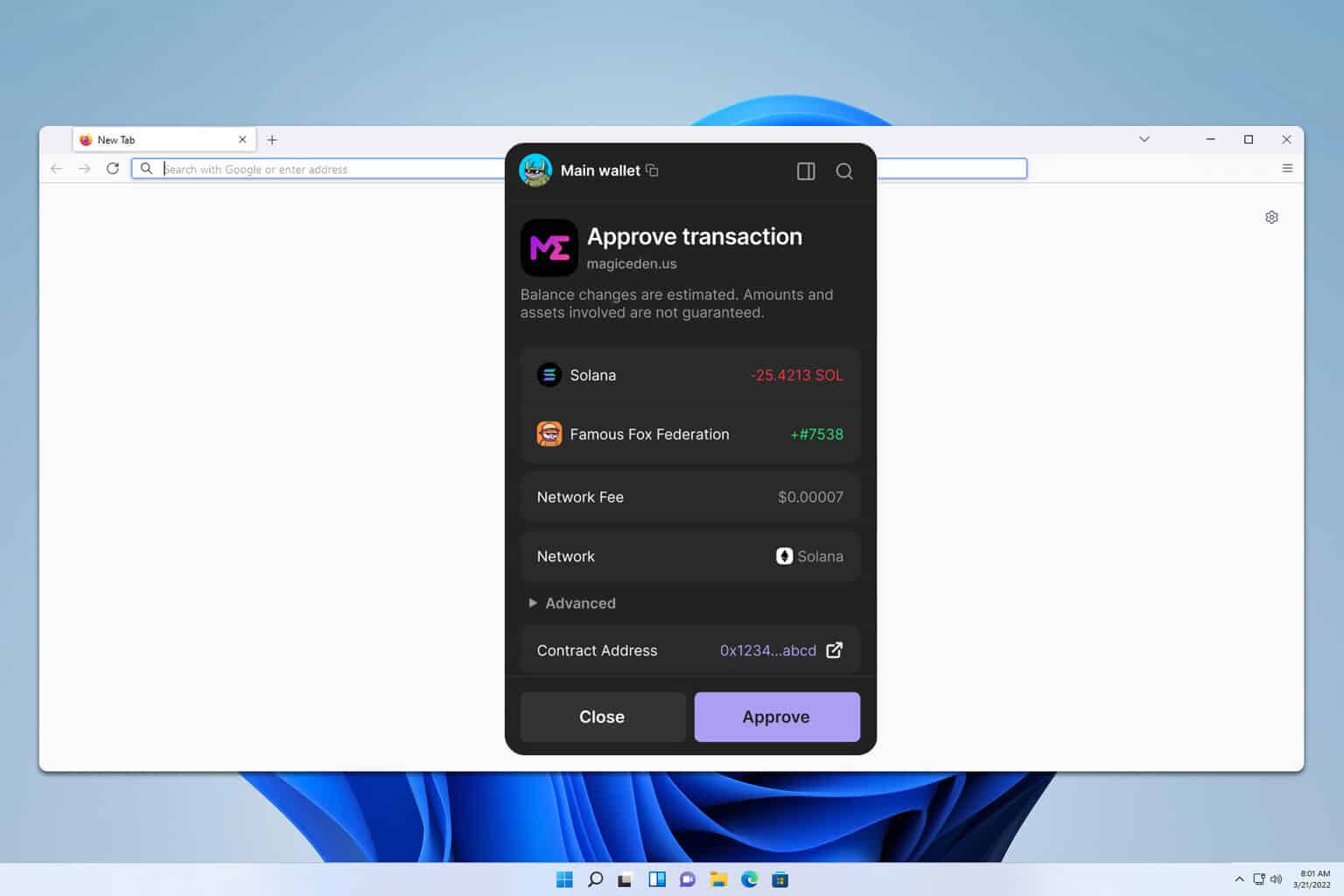
The extension integrates directly into the browser, so dApps on Solana can request signatures from the wallet. That flow is familiar if you’ve used other extension wallets on other chains, but the speed is noticeably different—Solana confirmations are quick, and Phantom mirrors that feel. On the technical end, Phantom manages keys locally, and it exposes only the signing interface to sites, not private keys. This is standard but important to state.
Here’s the thing. If you care about backup strategy, Phantom supports seed phrases and hardware wallet integration. That’s a crucial piece. Many users don’t realize hardware wallets are compatible until they try to move large sums. So plan ahead—don’t treat the extension as an immutable vault; think of it as a convenient front-end to keys you should protect.
Why many folks pick Phantom (and where it might not fit)
Fast transactions, a clean UI, and native Solana tooling are big draws. Plus the extension keeps evolving: token swaps, NFT galleries, and staking helpers have been added over time. These features are useful for folks who want to manage assets without hopping between apps. But one size doesn’t fit all.
On one hand, Phantom is great for new Solana users. On the other hand, power users or institutional setups may need multi-sig or custom policy enforcement that the extension alone doesn’t provide. There are workarounds—using Phantom with a hardware wallet for signing, or combining it with on-chain governance tools—but those get more complex. If you’re building a treasury or running a DAO, this might be an early-stage tool rather than your final answer.
Also, there’s the browser surface area risk. Extensions can be targeted, and although Phantom follows good security practices, the general ecosystem risk persists. So think in layers: use a hardware signer for big moves, keep small operational balances in the extension for daily tasks, and never reuse seed phrases across multiple services.
On privacy, telemetry, and what people overlook
Privacy expectations vary. Phantom connects to RPC nodes (public or third-party), and that can expose some metadata about your activity. If you’re privacy-sensitive, consider running or choosing trusted RPC endpoints. Some folks run local RPC endpoints; others pick privacy-focused service providers. Choosing the right RPC can reduce some fingerprinting risks.
Users also forget about browser-level privacy: extensions, cookies, and open tabs matter. Closing tabs and isolating accounts helps—small things, but they add up. It feels like common sense, but many people skip it (I won’t pretend everyone remembers).
One more note: the extension occasionally introduces new features quickly, which is mostly positive, though it can mean short-lived bugs or UI quirks. The Phantom team often pushes updates and iterates fast; that velocity is good, but with velocity comes the need to be a little vigilant.
How to approach using Phantom safely and effectively
Okay, so check this out—if you’re new: create a fresh wallet, write down the seed phrase on paper (not in a text file), and test small transfers first. For people who’ve been around a bit: enable hardware wallet signing for larger holdings, lock your browser profile, and keep extension updates current. These are practical steps that reduce risk significantly.
Also, watch out for phishing. Always confirm domain names and never sign a transaction you don’t understand. If a site requests something unexpected, step back. Your gut will often tell you when somethin’ feels off—trust that, and pause.
One neat bit: Phantom’s NFTs gallery and collection views are handy for collectors. They make it easy to see holdings without scattering across multiple tools. That usability lowers friction for regular management tasks, which is why lots of creators and collectors adopt it so quickly.
FAQ
Is Phantom safe to use for daily Solana transactions?
Generally yes, for everyday use. It follows modern security norms and keeps keys locally. But safety is relative: for significant amounts, combine the extension with a hardware wallet and follow backup best practices.
Can I use Phantom with hardware wallets?
Yes. Phantom supports hardware wallet integrations so you can use your device to sign transactions while using the extension as a UI. This is a recommended pattern for higher-value accounts.
Where do I download the extension?
You can find the official browser extension by searching the usual browser extension stores or via trusted links—one natural place to start is the official phantom page here: phantom. Be careful to avoid lookalike pages and verify the domain before installing.
I’ll be honest—no wallet is perfect. There are tradeoffs between convenience and control, and Phantom leans toward making Solana accessible while giving enough advanced capabilities for most users. If you want to play in the Solana ecosystem stateside or elsewhere, Phantom is a solid starting point, just pair it with good security hygiene and you’ll be in much better shape.
Final thought: if you try it, start small, lock down backups, and consider hardware signing as your confidence grows. Somethin’ tells me most people will appreciate the flow—though of course your mileage may vary…
Leave a Reply