Whoa! Mobile wallets changed how I think about custody. My gut said: keep coins on hardware, but my real world said otherwise—convenience wins a lot of battles. I remember fumbling with a hardware device at a coffee shop once and thinking, “Really? This is supposed to be progress?” That stuck with me. Over time I learned that the best solution often mixes a slick mobile app, a dependable browser extension, and an on-device swap feature that doesn’t force you to trust a dozen strangers with your keys.
Here’s the thing. Users want speed and safety in the same package. Short sign-ins and smooth UX matter. But security still has to be real. Initially I thought that mobile-first wallets were inherently riskier, but then I realized that modern threat models, secure enclaves, and careful UX choices can close a lot of the gap. On one hand the mobile environment is noisy and hostile; on the other hand it’s where people actually transact every day—so tradeoffs are unavoidable, though solvable.
Wow! Let’s break it down into the three building blocks: mobile app, browser extension, and swap functionality. The mobile app is your pocket vault. The extension is the bridge to DeFi and dApps. Swap is the bridge between assets without leaving your cozy wallet screen. All three working together feels like a single product, though they require different security postures and engineering choices to pair well.
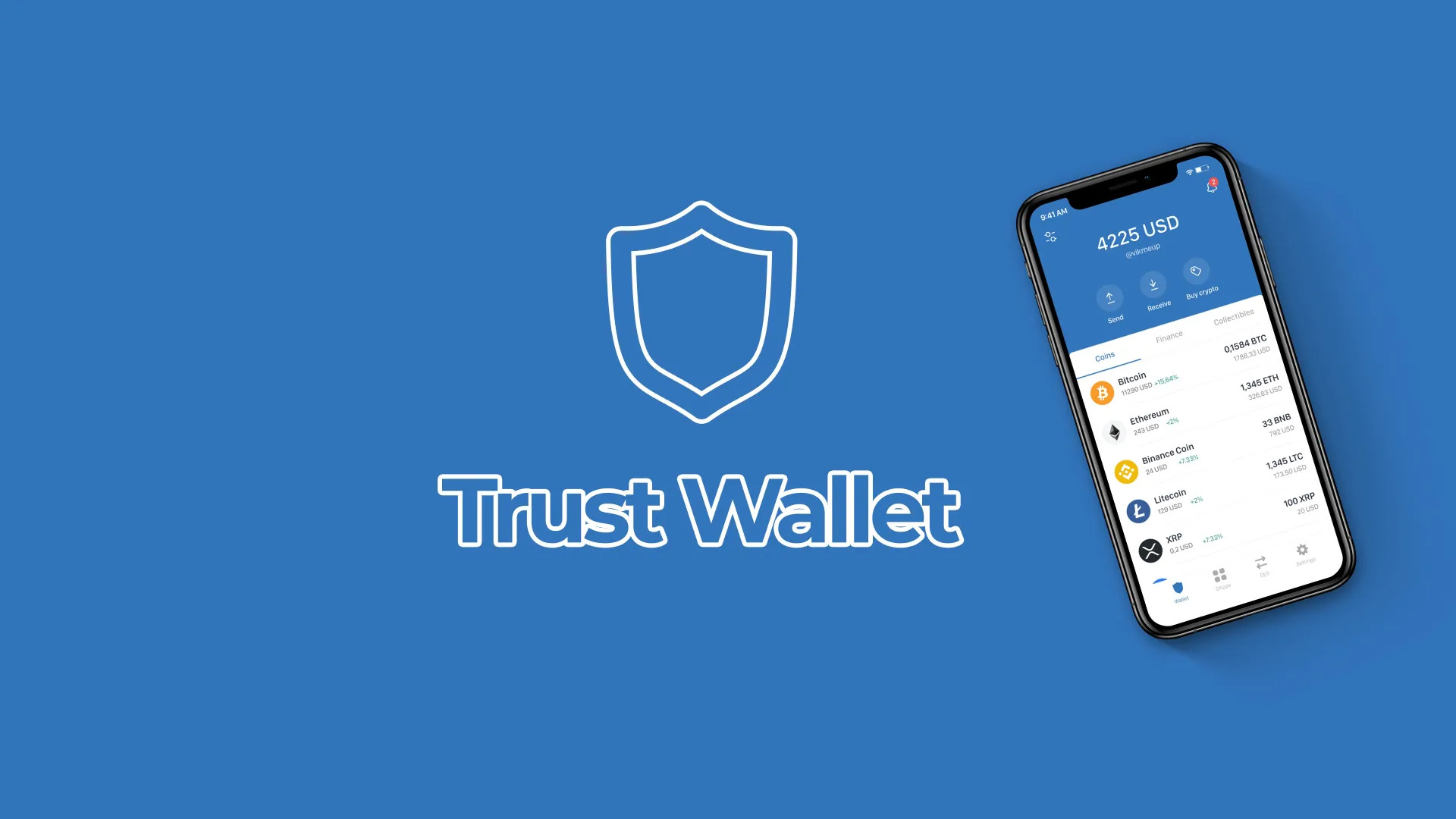
A practical architecture that respects real-life use
Okay, so check this out—start with the mobile wallet. Short phrase: easy to use. It should support multiple chains without pretending everything is the same. That means clear network labels, chain-aware gas estimates, and helpful warnings when you cross into less-tested ecosystems. I’m biased, but I prefer wallets that separate chain contexts visually; it reduces mistakes. (oh, and by the way… small design things matter a lot in preventing send-to-wrong-chain errors.)
Whoa! Then add a companion browser extension. The extension should be conservative: minimal permission requests, clear signing prompts, and reversible options where possible. Extensions are the gateway to complex dApps—pools, yield farming, NFTs—so they must be designed to avoid accidental approvals. Initially I thought extensions could just mirror mobile behavior, but then realized each environment has its own threats, like clipboard hijacks and malicious RPCs; treat them differently.
Really? Swap integration is where user behavior shifts dramatically. Built-in swaps reduce friction and lower the chance someone pastes a bad contract address into a random web interface. However, swaps add on-chain complexity and price-impact risks, so the wallet should surface slippage, liquidity source, and route provenance. I like solutions that let you choose aggregated routes while also showing the primary liquidity pools and fees. That transparency matters to both power users and newcomers.
Hmm… security layers have to be explicit and user-facing. Multi-factor flows, optional hardware pairing, encrypted cloud backups (with user-controlled keys), and social recovery all belong in the toolkit. Many wallets push one recovery model and glare at alternatives—nope. Allow options. Allow users to choose tradeoffs and make those tradeoffs understandable. Actually, wait—let me rephrase that: explain tradeoffs clearly, then let the user decide.
Here’s the thing. People underestimate the value of UX that teaches while it protects. A good wallet nudges you away from mistakes without getting in the way of legitimate actions. For example, a two-step confirmation for high-value swaps or ERC-20 approvals; a clear “approve only this amount” toggle; and pre-swap checks that estimate pending fees across chains. These are small touches, but they stop costly errors and build trust over time. My instinct said that UX-first security would be fluff, but real users reward it with retention.
How an integrated mobile + extension setup actually defends you
Wow! First, isolate private keys from hostile contexts. Use hardware-backed keystores on mobile (Secure Enclave, TrustZone). Use the extension as a limited remote signer rather than a full key store if possible. That reduces the blast radius when a compromised site tries to drain funds. On the other hand, complete separation makes UX clumsy, so adopt session-limited approvals and require re-auth for sensitive operations. That middle path is where sane balance lives.
Initially I thought a single mnemonic was fine if you encrypted backups. But then I watched people copy seeds into insecure notes. So social and split-key recoveries deserve attention. Shamir backups, threshold signatures, and guardians work these days. I’m not 100% sure every reader should set up Shamir, but they should at least know it exists and what it protects against. Also, double-check that the wallet offers recoverability without vendor lock-in—exportable seeds or standards-based key derivation are welcome.
Really? Another defense: sandboxing the extension’s RPC access. Use ephemeral RPC keys for dApp sessions, restrict allowed methods, and monitor for suspicious contract calls. When a site asks for wallet permissions, show what those permissions will enable—read-only address checks vs full spend authority. I like wallets that label requests with human-readable impact statements so a new user can say “no” to dangerous auto-approvals.
Hmm… encryption in transit and at rest is baseline, but auditability matters too. Regular third-party audits, public bug bounty programs, and clear disclosure of what telemetry is collected build credibility. Some projects hide audits behind PR puffery; that’s a red flag. Very very important: open and honest security communication beats polished marketing every time.
Swap mechanics and routing—what to look for
Whoa! Swap UX needs to be fast, but it mustn’t be opaque. Show best price across sources: AMMs, aggregators, and cross-chain bridges if you support them. When a swap uses a bridge step, call it out explicitly and track expected time. Bridges bring systemic risk—highlighted steps reduce surprise and make blame less about the user and more about the tech. I’m biased toward multi-source aggregation because it often gets the user better prices.
Here’s the thing. Slippage settings should be intelligent, not mysterious. Offer presets like “conservative”, “balanced”, “aggressive” and let advanced users set exact tolerances. Inform users about potential MEV exposure, sandwich risks, and front-run slippage. Most users won’t read a whitepaper, but they will appreciate a clear line like “This swap might slip 0.7% due to liquidity. Continue?” Small confirmations like that reduce regret.
Initially I thought DEX routing was mostly math, but user expectations add complexity. Some users want cheapest trades, others want the safest pools. Actually, wait—let me rephrase that—wallets should expose routing filters: prefer audited pools, avoid tiny liquidity pools, or exclude certain bridge protocols. Those settings protect users and match their risk preferences. And yes, defaults should favor safety for newcomers.
Really? Gas optimization isn’t just about saving cents. Good wallets estimate combined costs across chains for cross-chain swaps, suggest optimal gas tokens, and offer batching where possible. If a swap uses two transactions, show both and allow postponing one step if the user prefers. These micro-controls give power users the levers they need without cluttering the main flow.
FAQ
How do I choose between mobile-only and mobile+extension workflows?
Short answer: based on where you interact. If you live in DeFi dApps on desktop, the extension is necessary. For on-the-go payments and quick swaps, mobile is king. Use both if you care about flexibility. Pairing the two offers the best of both worlds: desktop convenience plus mobile security. Check tools that sync identities safely and minimize cross-device exposure.
Is built-in swap safe?
Built-in swaps can be safe if the wallet aggregates reputable sources, warns about bridges, and provides clear slippage and fee info. Verify the wallet’s aggregator partners and audit history. Also, prefer wallets that show route provenance and let you opt out of risky liquidity sources. I’m not 100% sure any product is perfect, but transparency is a reliable proxy for trust.
What recovery options should I look for?
Look for multiple recovery methods: standard mnemonic export, Shamir or threshold backups, and optional social recovery. Make sure backups are exportable and standard-based. Avoid vendors that lock recovery into their proprietary cloud. And (oh, and by the way…) test your recovery flow on a small balance first—practice before you need it.
Okay, a practical recommendation before I sign off: try wallets that let you feel the full flow—mobile key custody, extension signing, and in-app swaps—without forcing one theology on recovery or custody. For a start, explore a wallet that balances those choices and that publishes clear docs and audits. If you want a single starting point for that kind of wallet, check this link: https://sites.google.com/cryptowalletuk.com/truts-wallet/
I’m biased, but real world usability and survivable security matter more than elegant but unusable purity. Some parts of Web3 will always be messy, though better tools make the mess manageable. Somethin’ about that tradeoff keeps me interested. Hmm… I still worry about people skipping the recovery steps, but I also love watching quality wallets nudge users into safer habits. The end result? A mobile+extension+swap wallet done well feels like the right pragmatic step for most Web3 users in the US and beyond.
Leave a Reply